

By Gwen Pierce, The Chocolate Voice
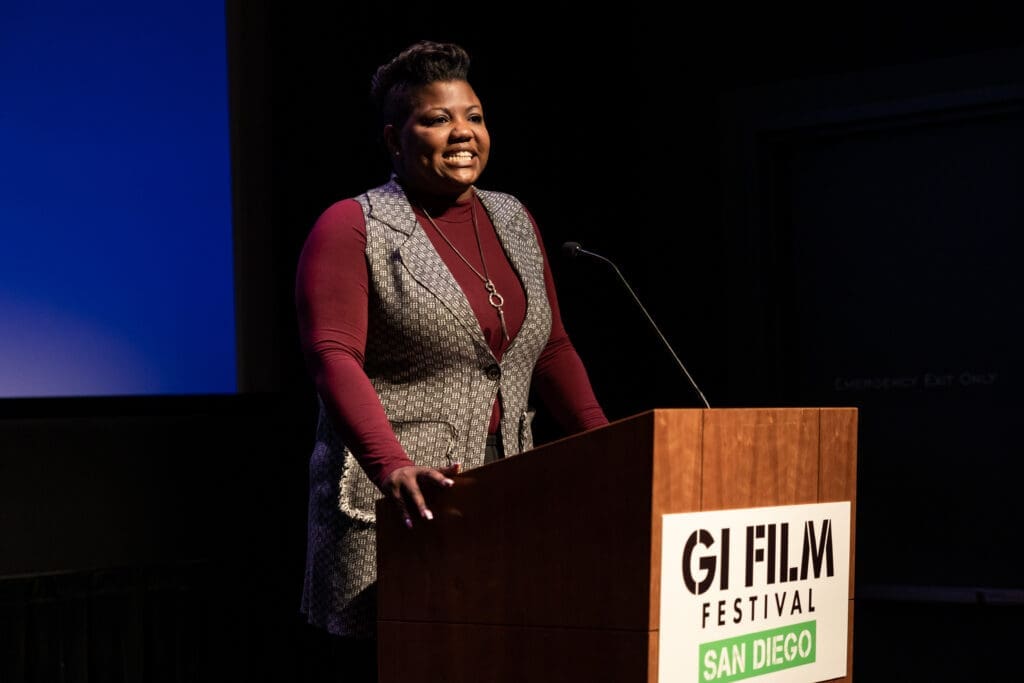
For many women veterans, service doesn’t end when they leave the military—it simply becomes less visible.
Their sacrifices, leadership, and resilience often go unrecognized in the broader narrative of military history. But for Keshia Javis-Jones, Marine Corps veteran and Advisory Committee Member for the GI Film Festival San Diego, that silence is exactly what she’s working to change.
Through her advocacy and community work, Javis-Jones is helping ensure that the stories of those who served—especially women of color—are not only told, but honored.
Filling the Gaps Left Behind
While conversations around veterans’ services have evolved, Javis-Jones says the reality for many women remains complex.
“One of the biggest gaps is acknowledgment,” she explains. “Not just from the public, but even within organizations that serve veterans.”
That lack of recognition often translates into real-life challenges—particularly when it comes to employment, equitable pay, and access to resources that reflect women’s lived experiences.
For many, the transition to civilian life includes navigating career uncertainty while managing the demands of family life. Javis-Jones notes that a significant number of women veterans are single heads of household, carrying both financial and caregiving responsibilities.
“Childcare alone can be a huge burden,” she says. “And without the right support systems, it makes everything harder.”
A Legacy Long Overdue
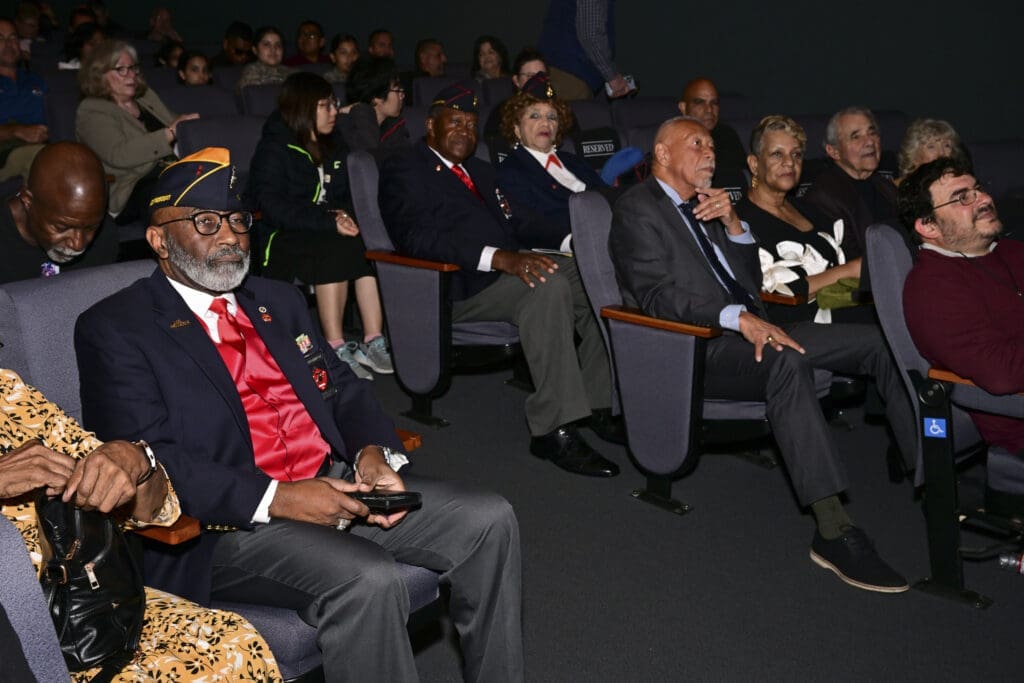
Javis-Jones’s work is deeply informed by the legacy of the 6888th Central Postal Directory Battalion—a groundbreaking group of Black women who served during World War II.
Tasked with sorting and delivering a massive backlog of mail to U.S. troops overseas, the battalion played a critical role in maintaining morale during wartime. Yet for decades, their contributions were largely overlooked.
Connecting with members of the battalion and their families left a lasting impression on Javis-Jones.
“Hearing those stories firsthand—it changes you,” she says. “You realize how much was done, and how little was recognized for so long.”
Today, as long-overdue honors like the Congressional Gold Medal bring renewed attention to their service, she sees both progress and responsibility.
“We’re standing on their shoulders,” she says. “And it’s our job to make sure their stories—and others like them—are never forgotten.”
Leadership Rooted in Realness
Javis-Jones’s leadership style was shaped during her time in the Marine Corps, where she often found herself in roles that pushed her beyond her comfort zone.
Instead of striving for perfection, she focused on growth, teamwork, and transparency.
“I never felt like I had to have all the answers,” she says. “It was more important to be honest, to listen, and to move forward together.”
That approach continues to guide her work today—whether she’s leading programs for veterans or mentoring others navigating their own transitions.
“At the end of the day, people just want to know they can trust you,” she adds.
Reclaiming the Narrative Through Film
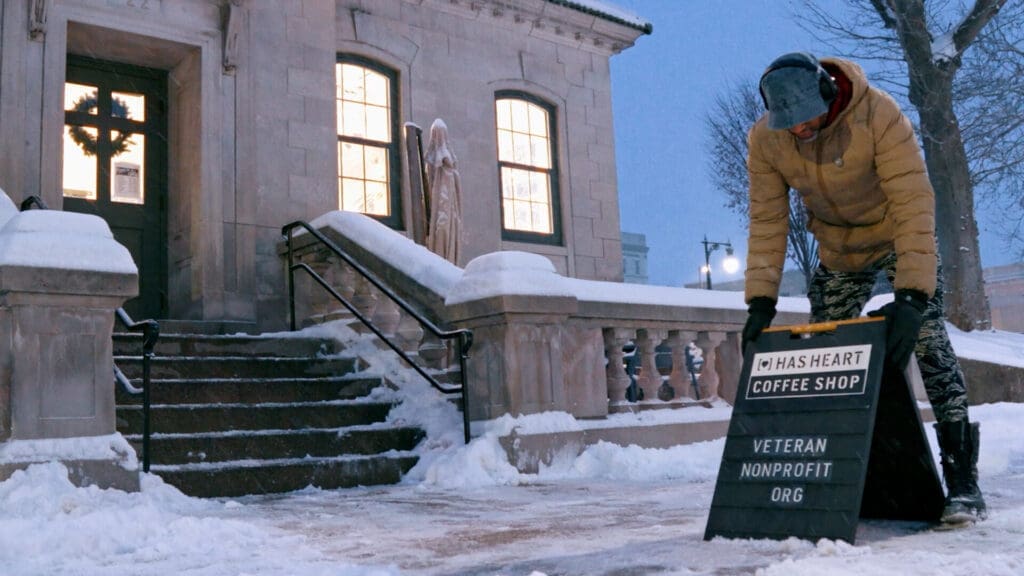
It was a chance introduction that led Javis-Jones to the GI Film Festival San Diego, but the mission immediately resonated.
Unlike traditional Hollywood portrayals of war, which she feels often miss the mark, the festival centers authentic, lived experiences—stories created by or in close collaboration with veterans themselves.
“I’ve always struggled with how the military is portrayed in mainstream media,” she says. “It’s entertaining, but it’s not always real.”
At the festival, reality takes center stage.
Through documentaries, short films, and panel discussions, veterans are given space to share their truths—on their own terms. For many, it’s a rare opportunity to process, reflect, and connect.
“There are things some veterans may never say out loud,” Javis-Jones explains. “But seeing those stories on screen—it creates a different kind of understanding.”
The Stories We Still Don’t Hear
Even with platforms like the GI Film Festival San Diego, Javis-Jones believes there is still work to be done—especially when it comes to representation.
Women, particularly women of color, remain underrepresented in both military storytelling and public discourse. Many veterans, she notes, choose to distance themselves from their service altogether, sometimes never sharing that part of their lives.
“If we don’t create space for those stories,” she says, “we lose them.”
And with that loss comes a deeper consequence: a disconnect between those who serve and the communities they return to.

Building Bridges, One Story at a Time
For Javis-Jones, the power of storytelling goes beyond awareness—it’s about connection.
Events like the GI Film Festival San Diego bring together veterans and civilians in a shared space, fostering understanding through film, conversation, and community.
“It helps people see the full picture,” she says. “Not just the uniform, not just the war—but the person.”
As she continues her work, Javis-Jones remains grounded in a simple but powerful belief: that every story matters.
And when those stories are told with honesty and care, they don’t just inform—they honor, they heal, and they ensure that those who served are truly seen.
The GI Film Festival San Diego marks 11 years of bringing films for, by, and about the military community to the big screen. This year’s military-themed film festival takes place May 6-8, 2026, at the Museum of Photographic Arts at the San Diego Museum of Art (MOPA @ SDMA) in Balboa Park.