

Black Violin returns to San Diego to perform at ArtPower UCSD on Friday, April 17
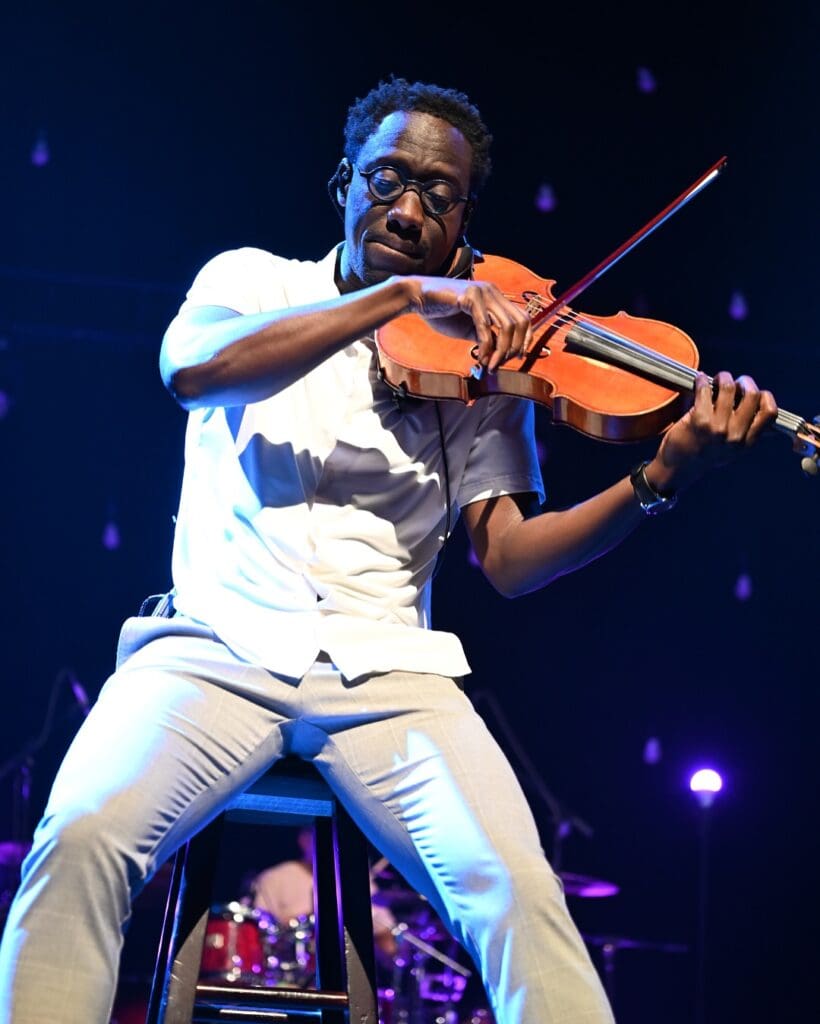
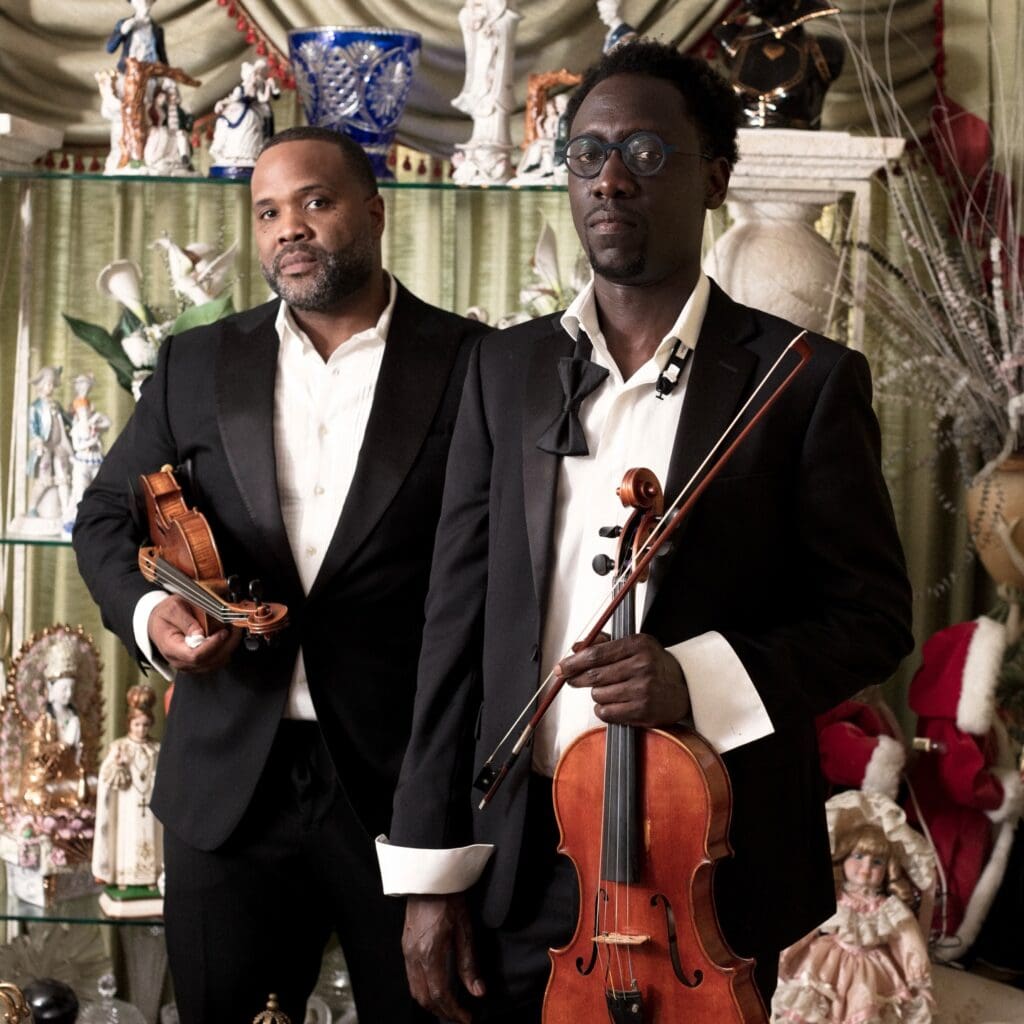
As one half of the genre-defying duo Black Violin, Wil Baptiste has spent more than two decades reshaping expectations of what string music can sound like. Blending classical training with hip-hop influences, the group has built a sound—and a live show—that is as high-energy as it is deeply intentional. From sold-out concert halls to university stages, their performances invite audiences into a shared musical experience that crosses genres, backgrounds, and generations.
Ahead of their upcoming performance at the University of California, San Diego, Baptiste spoke about the duo’s creative process, the philosophy behind their music, and the importance of giving back through education. From early inspirations like Tupac Shakur and Miles Davis to their mission of empowering the next generation through the Black Violin Foundation, his perspective reflects an artist grounded not just in sound, but in purpose.
Gwen: Your sound blends classical and hip-hop so seamlessly. How do you decide which elements lead a new piece?
Wil Baptiste: That’s interesting—I don’t think we’ve ever thought about it that way, like which part leads. They’re both happening at the same time. It’s natural. It’s almost like being bilingual—you’re speaking one sentence, but both languages are mixed in. Sometimes we start with a beat and play over it, but the way we approach the strings is very classical. There’s no one leader—we just go with whatever feels right.
Gwen: How long have you both been playing?
Wil Baptiste: I’ve been playing for about 28 years, and Kev’s been playing even longer—over 30.
Gwen: Did you both start as children?
Wil Baptiste: Yeah. I started in eighth grade, and Kev started around fifth grade.
Gwen: Are you both from the same area?
Wil Baptiste: Yeah, we’re both from South Florida.
Gwen: How do you design your performances to connect with such diverse audiences?
Wil Baptiste: Music naturally connects with people from different walks of life, but with our show, we’ve developed it over the years to take people on a journey. We like to hit you in the face right away—it’s loud, it’s intense, and people are like, “What am I watching?” There’s a DJ, there are violins, there’s energy. Then we break it down and get more soulful and softer. It’s all about taking the audience through different emotions.
Gwen: When you’re creating a new piece, what usually comes first—the classical structure or the hip-hop energy?
Wil Baptiste: It’s hard to separate because we are both. Even if we start with just a violin idea, our approach is still rooted in hip-hop. If I had to choose, I’d say hip-hop gives us the boldness—the unapologetic energy to do what we do—but both elements are always there at the same tim
Gwen: Was there a moment early in your career when you realized you were breaking barriers?
Wil Baptiste: I think when we performed at the Apollo and won in 2005, we realized we had something. But at the time, we were just having fun. We didn’t think of it as groundbreaking—it was just something we’d been doing since high school. Over time, it grew into something bigger than us. It took on a life of its own.
Gwen: How long have you been performing together?
Wil Baptiste: At least 22 years.
Gwen: What were you listening to growing up that still influences you today?
Wil Baptiste: A lot of hip-hop—artists like Tupac Shakur. Then I got into jazz—Miles Davis, Donny Hathaway—and artists like Stevie Wonder. That music still resonates with me today. In fact, it makes even more sense now than it did back then.
Gwen: How do you balance making music that feels good versus music that challenges people?
Wil Baptiste: For me, it has to feel right first. I’m not trying to challenge the listener—I’m creating something that feels authentic to me. If it’s pure and coming from a real place, it will resonate. People will take from it what they need, and it’ll be different for everyone. That’s how it spreads—it inspires someone, and then they pass that inspiration on. I have to be comfortable with who I am first. Once I understand that, what I create will feel right—and hopefully it’s received the way it’s intended.
Gwen: You also have a foundation. Can you tell us about that?
Wil Baptiste: The foundation, blackviolinfoundation.org, is one of the greatest things we’ve done. It’s an extension of what we already do as performers, but it allows us to go further—providing instruments, lessons, and opportunities to kids who might not otherwise have access. It’s personal for us because we had people in our lives who helped fill those gaps when we were growing up. Now we get to give back in that same way through grants and programs. Right now, we have initiatives in South Florida, putting instruments in the hands of Black and Brown kids. We believe music and art are gateways—they help create the next generation of people who empathize and truly see each other.
Gwen: You’re coming to UC San Diego, where students are still finding their voice. What does finding your own voice mean to you
Wil Baptiste: For me, it’s understanding that it’s not about me. As I’ve gotten older, I’ve realized my identity is rooted in something much bigger. Once you let go of trying to control everything and trust a higher purpose, you start to understand yourself more clearly. Then you can move differently—you’re not carrying everything on your shoulders. I believe we’re all here to receive something, develop it, and then give it away. That’s what finding your voice really is.
Gwen: Do you notice a difference between performing at universities versus concert halls?
Wil Baptiste: Every venue has its own energy. In concert halls, people can be more reserved—they feel like they have to behave a certain way. At universities, the energy is younger and more immediate. But we bring the same show every time. Some audiences take longer to warm up, others jump in right away. It’s not about liking it more or less—it’s just different expressions of energy depending on the place.
Gwen: Have you performed at UC San Diego before?
Wil Baptiste: I’m not sure—we’ve played so many places. But sometimes when I get there and walk around, it comes back to me.
Gwen: Well, it’s a beautiful campus—you’ll love it. Thank you so much for your time, and we’re looking forward to the show.
Wil Baptiste: Thank you—I appreciate it.
Black Violin will perform at ArtPower at UCSD on Friday, April 17. The performance is part of their ongoing tour, known for its fusion of classical strings, hip-hop beats, and powerful audience engagement.